
The L.E.A.R.N. Method to De-escalate Angry Customers
Stay calm. Stay human. Stay in control.
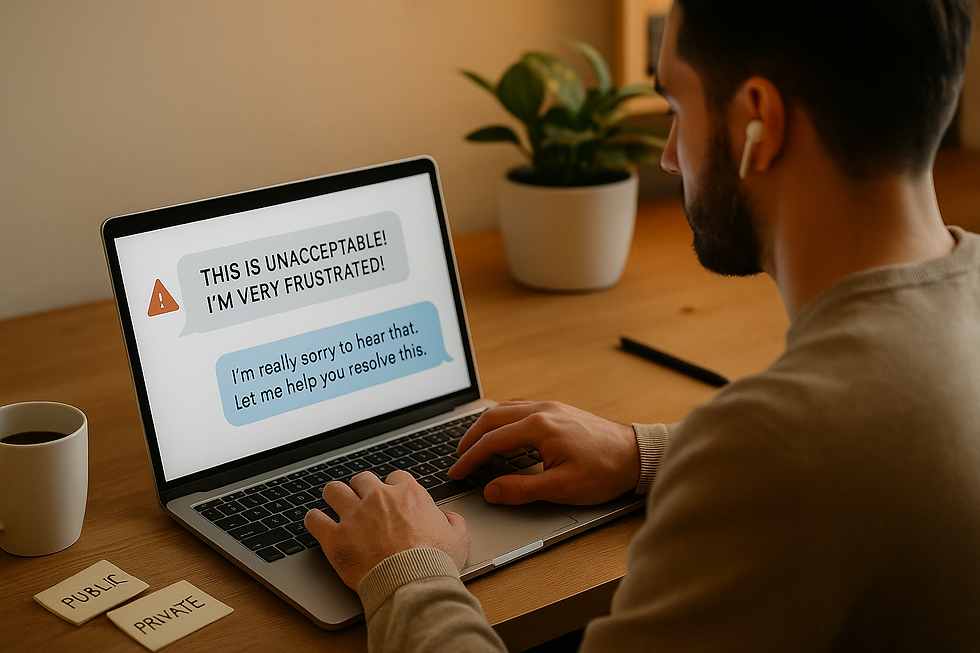
Every customer support agent has been there:
An angry email. A frustrated chat. A customer threatening a bad review unless something is fixed right now.
It’s stressful. It’s emotional. And if you’re not prepared, it’s easy to take it personally or spiral into reactive replies.
That’s why you need a framework that’s calm, clear, and always ready, even when emotions are high.
Meet the L.E.A.R.N. Method: a five-step technique to help you de-escalate angry customers with empathy, clarity, and professionalism.
💡 What Is the L.E.A.R.N. Method?
L.E.A.R.N. stands for:
Listen
Empathize
Apologize
Resolve
Notify (Follow Up)
This method helps you stay grounded while guiding the customer out of fight-or-flight mode and into resolution mode.

🔁 Step-by-Step Breakdown (With Examples)
1. L – Listen
Let them vent. Let them speak. Don’t interrupt.
Even in chat or email, “listening” means reading their message fully and holding space for their frustration.
✅ Example:
“Thanks for reaching out. I’ve carefully read through everything you shared, let’s work through this together.”
2. E – Empathize
Reflect their feelings. Empathy isn’t agreement, it’s acknowledgment.
✅ Example:
“I completely understand how frustrating it must be to receive the wrong order after waiting so long. I’d feel the same in your shoes.”
3. A – Apologize
Take ownership, even when it wasn’t your personal mistake. Customers don’t want blame. They want someone to care.
✅ Example:
“I’m really sorry for the inconvenience this caused. We always aim to get things right, and clearly, we missed the mark.”
Avoid phrases like:
❌ “We apologize for the inconvenience.”
✅ Say it like a real human would.
4. R – Resolve
Now give a clear next step, even if the resolution will take time.
✅ Example:
“I’ve contacted our shipping team and flagged your case as urgent. I’ll confirm the updated tracking within 2 hours.”
The customer needs to feel that action is already happening.
5. N – Notify (Follow Up)
Don’t leave them hanging. Even a quick status update shows you're staying on it.
✅ Example:
“Just a quick update, I’ve escalated this to our supervisor team. I’ll send a final confirmation as soon as it’s resolved.”
Follow-up = trust builder.
🧠 Why This Method Works
Keeps you emotionally grounded
De-escalates without being defensive
Shows the customer they’re being heard
Turns frustration into potential loyalty
📊 CX stat: Customers who experience caring resolution are more likely to return than those who never had a problem at all.
🧩 Workbook Tie-In
This method is covered in Chapter 6.4 of the Customer Support Mastery Workbook, including:
A printable L.E.A.R.N. framework card
Example scripts for each stage
Role-play prompts based on real scenarios
A self-reflection journal to track your growth
📘 If you’re in support, this chapter is your de-escalation cheat code.

💬 Final Thoughts
Support isn’t always smooth, and that’s okay.
You don’t need to be perfect. You just need to be present, calm, and focused on the fix.
So next time things get tense, just breathe, and LEARN:
Listen.Empathize.Apologize.Resolve.Notify.
It’s more than a strategy.It’s how you stay human, even in the hardest moments.
Pinterest: Beyond the Ticket CX
Instagram: Beyond the Ticket CX
TikTok: Beyond the Ticket CX
LinkedIn: Beyond the Ticket CX


Comments